 Reviews


 Proudly American


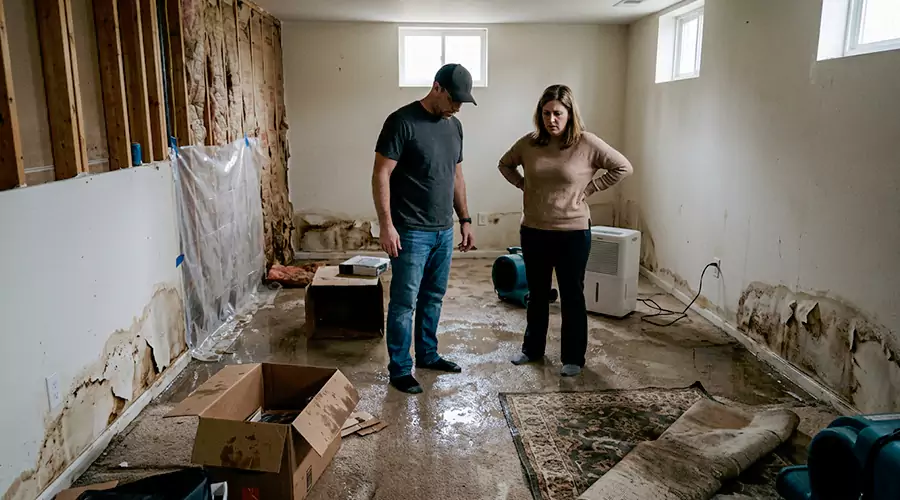
Water damage in a home is most often caused by plumbing leaks, roof or exterior water intrusion, appliance failures, groundwater entry, or excess condensation. Water damage detection can help identify hidden moisture before it spreads through walls, flooring, or other building materials. Damage becomes more serious when water remains hidden inside walls or flooring because moisture can spread before a visible stain appears.
EPA moisture guidance identifies rainwater and surface water as major building moisture sources. Plumbing water and groundwater are other common sources. Indoor humidity can also create damage when condensation repeatedly wets sensitive materials.
What Are the Most Common Causes of Water Damage?
Residential water damage can begin with a sudden failure or a slow leak that remains unnoticed. Sudden events are easier to see, while small leaks behind finished surfaces can continue long enough to damage drywall or wood before anyone notices.
Common causes include:
- Plumbing supply leaks
- Drainpipe failures
- Roof leaks
- Failed appliance hoses
- Water heater leaks
- Basement seepage
- Stormwater intrusion
- Toilet or fixture failures
- HVAC condensation problems
- High indoor humidity
A small plumbing leak can sometimes cause more hidden damage than a larger visible spill because it may continue for weeks.
How Do Plumbing Problems Cause Water Damage?
Plumbing problems can release water inside walls or beneath floors where leaks are difficult to see. Pressurized supply lines can release substantial water quickly. Drain leaks may be slower but can continue unnoticed. EPA guidance identifies leaking pipes and plumbing fixtures as common indoor moisture sources. Leaks around sinks or tubs can also provide damp conditions that support biological growth.
Signs of hidden plumbing leakage include:
- Unexpected water use
- Damp cabinet floors
- Soft drywall
- Staining below bathrooms
- Persistent musty odor
Water damage repair can become larger once moisture reaches several building layers.
How Do Roof Leaks Damage a Home?
Roof leaks allow rainwater to enter the attic before it reaches ceilings below. Water may travel along framing, so the visible ceiling stain is not always directly beneath the roof defect.
Common roof-related causes include:
- Damaged flashing
- Missing roofing material
- Failed roof penetrations
- Clogged drainage
- Storm damage
Repeated roof leakage can wet insulation before discoloration appears indoors. That hidden moisture can slow drying after the exterior leak is corrected.
Can Appliances Cause Serious Water Damage?
Yes. Washing machines and dishwashers can release large amounts of water when hoses or connections fail. Refrigerators with water lines can also develop slow leaks that remain hidden under flooring. Water heaters create another risk because tank or connection failures can wet a large area. EPA WaterSense guidance recommends checking fixtures and appliances for leaks because small failures can cause serious property damage over time.
How Does Basement Water Get Into a Home?
Basement water often enters because surface water or groundwater moves toward the foundation. Poor grading can direct rainwater toward the structure. Missing or ineffective gutters can add more water around foundation walls.
| Water Source | Common Entry Area |
|---|---|
| Heavy rain | Foundation walls |
| Groundwater | Basement floor |
| Poor drainage | Foundation perimeter |
| Plumbing leak | Walls or ceiling |
| Failed sump system | Lowest floor area |
The EPA recommends directing ground slope away from the building and keeping roof drainage systems maintained to reduce moisture entry.
Can Humidity Cause Water Damage?
High humidity can cause damage when moisture repeatedly condenses on cold materials. Windows or pipes may develop visible droplets. Hidden condensation can also form inside poorly managed building assemblies. Condensation differs from a plumbing leak because the water comes from moisture already in the air. Indoor relative humidity should generally remain below 60 percent when possible. EPA guidance lists about 30 to 50 percent as an ideal indoor range for routine moisture control.
How Does Water Damage Get Worse Over Time?
Water moves through porous materials even after the original source stops. Drywall can wick moisture upward while flooring may trap water underneath. Mold risk also increases when materials remain damp.
| Time After Water Exposure | Possible Change |
|---|---|
| First hours | Water spreads into nearby materials |
| First day | Drywall or flooring absorbs moisture |
| 24 to 48 hours | Mold risk begins rising |
| Several days | Swelling or odor may develop |
| Longer exposure | More materials may need removal |
The EPA advises drying wet materials within 24 to 48 hours when possible.
Secondary water damage often becomes the expensive part of a loss because it affects areas beyond the original leak.
What Warning Signs Suggest Hidden Water Damage?
Hidden moisture often causes subtle changes before visible water appears. A growing ceiling stain is one warning, while warped trim can point to moisture inside a wall.
Watch for:
- Musty odors
- Bubbling paint
- Swollen baseboards
- Soft drywall
- Dark ceiling stains
- Cupped flooring
- Damp carpet edges
- Unexplained humidity
- Mold growth
- Higher water use
Water damage clean up should not be considered complete while these signs continue.
What Can You Check Yourself?
A simple water-meter test can help identify a hidden plumbing leak. Turn off water-using fixtures and appliances. Record the water meter reading and check it again after about two hours without using water. If the meter changes, an unidentified leak may be present. EPA WaterSense specifically recommends this method as a basic leak check. This test cannot detect rainwater intrusion or groundwater seepage.
When Should You Call a Professional?
Professional assessment is appropriate when water has entered several rooms or electrical areas. Help is also useful when the source cannot be located or moisture remains inside finished walls.
Consider an assessment when:
- Water reaches electrical components.
- Several rooms are affected.
- Sewage is involved.
- Ceilings begin sagging.
- Flooring is buckling.
- Moisture keeps returning.
- The leak source remains unknown.
Water damage removal can require extraction equipment when standing water covers a large area.
How Can You Prevent Water Damage?
Prevention focuses on finding leaks early and keeping exterior water away from the structure. Regular inspections are much easier than repairing long-term moisture damage.
Use this routine:
- Check under sinks monthly.
- Inspect appliance hoses several times a year.
- Test sump pumps before storm season.
- Clean roof gutters regularly.
- Watch ceilings after heavy rain.
- Maintain indoor humidity below 60 percent.
- Investigate unusual water use promptly.
Conclusion
Water damage usually starts with plumbing failure or exterior water entry, but appliances and condensation can also create serious problems. Small hidden leaks deserve attention because they can remain unnoticed while moisture spreads through walls or floors. Regular leak checks and proper drainage reduce the risk. If moisture keeps returning after the obvious source is corrected, professional assessment can help locate the remaining problem.
Frequently Asked Questions
What is the most common source of home water damage?
Plumbing leaks are a major source because water supply and drain lines run throughout a home.
Can a small leak cause major damage?
Yes. A slow hidden leak can wet drywall or flooring for weeks before visible damage appears.
Can clogged gutters cause water damage?
Yes. Poor roof drainage can direct rainwater toward walls or the foundation.
Can high humidity damage walls?
Yes. Persistent condensation can keep walls damp enough to damage finishes or support mold growth.
How can I tell if I have a hidden plumbing leak?
Check your water meter when no water is being used. A changing reading may indicate a leak.
Can water damage continue after the leak stops?
Yes. Moisture trapped inside porous materials can continue affecting nearby materials until the area is fully dried.